Gaza Ceasefire Analysis: A Brief Pause, Not Lasting Peace
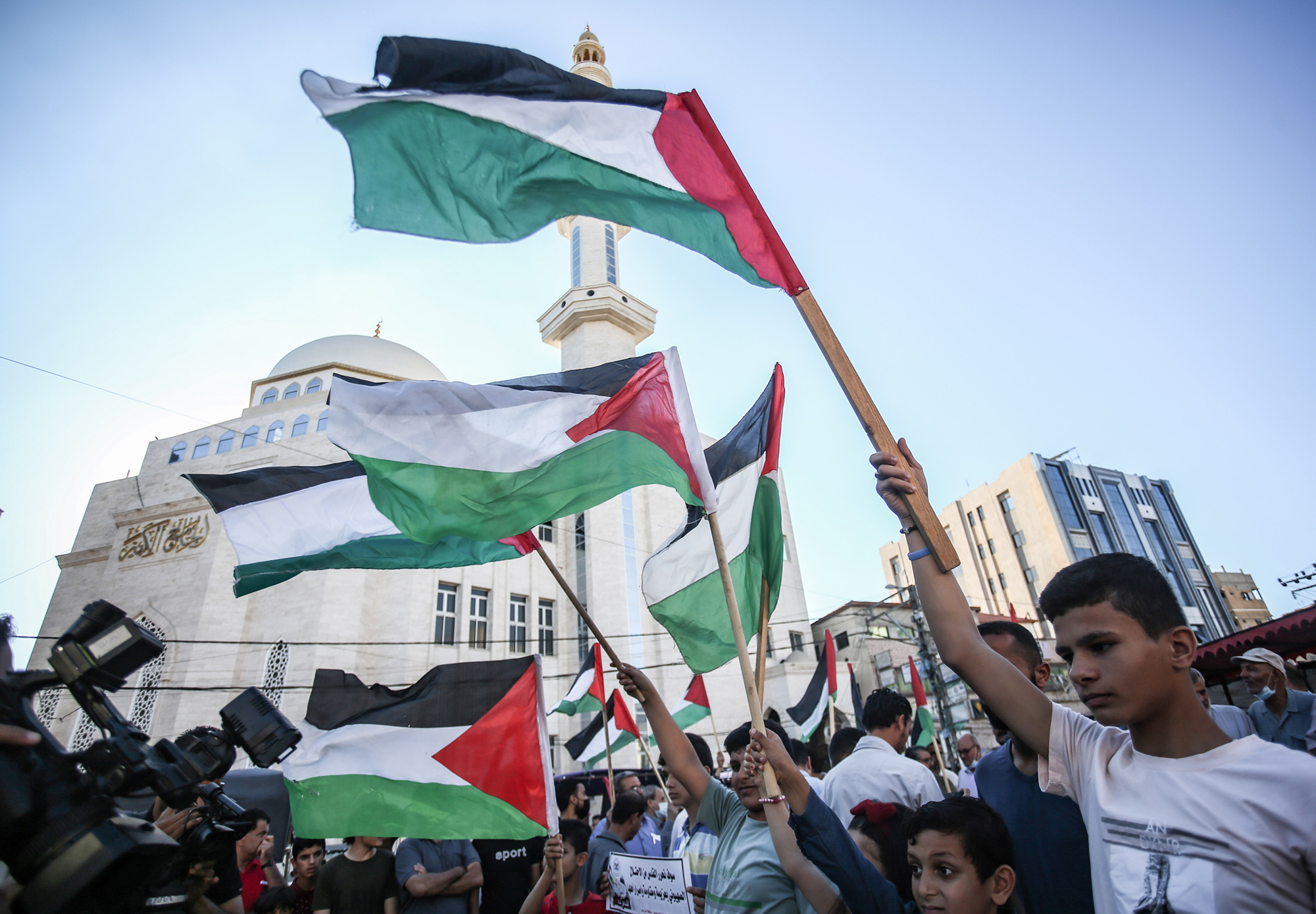
The recent ceasefire agreement in Gaza has been met with a complex mix of relief and skepticism. While offering a much-needed, albeit temporary, respite from the intense suffering endured by the region's inhabitants, experts and observers widely agree that this "Die Waffenruhe" represents merely a brief pause, rather than a definitive step towards lasting peace. The complexities of this fragile agreement, and the deep-seated issues it leaves unaddressed, paint a clear picture of the immense challenges that lie ahead. The current cessation of hostilities, while welcomed, serves primarily as a modest breathing space from the extraordinary devastation of the past several months. Official figures reveal a staggering human cost: over 46,600 fatalities and more than 111,265 injuries, many of which are life-altering disabilities. This catastrophic toll has occurred within an environment where the healthcare infrastructure has been largely decimated, leaving countless without access to critical medical care. The provisional nature of this ceasefire, much like a fleeting scene one might encounter while navigating the vast landscape of global events, underscores the precariousness of the situation. Even as audiences worldwide consume diverse narratives, perhaps even searching for terms like "Die Waffenruhe Netflix" to grasp the magnitude, the raw, unfiltered reality remains profoundly unsettling.The Immediate Impact: A Fleeting Breath of Hope Amidst Devastation
The most tangible benefits of the ceasefire agreement are the immediate, if temporary, alleviation of human suffering and the promise of humanitarian relief. Key provisions include:- Increased Humanitarian Aid: The agreement mandates Israel to permit a greater number of trucks carrying desperately needed humanitarian supplies into Gaza. This includes food, water, medicine, and fuel, which are critical for survival in a region teetering on the brink of humanitarian catastrophe.
- Hostage and Detainee Exchange: A crucial aspect of the deal involves the release of Israeli hostages captured by Hamas in October 2023. In return, several hundred Palestinians detained by Israel are also set to be freed. It's important to recognize that many Palestinians are held without charge, some in solitary confinement and without legal representation, a situation that human rights organizations have long highlighted. This exchange, while a positive step, underscores the grim reality of human lives used as bargaining chips in a protracted conflict.
- Limited Israeli Withdrawal: Reports suggest that the agreement includes a withdrawal of Israeli forces from major population centers and the Netzarim Corridor. In principle, this could enable families from northern Gaza to return to their homes, though the feasibility and safety of such returns are highly questionable given the extensive destruction.
Unresolved Realities: Why Die Waffenruhe Struggles to Hold
Despite the immediate benefits, the agreement holds little promise for substantial progress towards enduring peace and stability in the region. Several factors cast a long shadow of doubt over its long-term viability:- Temporary Nature: The ceasefire is reportedly set for a mere six weeks, with extensions contingent upon the success of future, highly complex negotiations. This short timeframe inherently limits its potential to address fundamental issues.
- Deferred Difficult Questions: While phases two and three are sketched out – envisioning further hostage releases, additional Israeli military withdrawals, and a reconstruction plan – these remain aspirational goals rather than concrete agreements. The most contentious issues have been punted down the road, creating a precarious foundation for sustained peace. The negotiation partners have achieved a short-term compromise, postponing the truly difficult questions that have fueled decades of conflict.
- Lack of Fundamental Resolution: The current agreement does not tackle the root causes of the conflict, such as the blockade of Gaza, the broader Israeli-Palestinian conflict, or the long-term political status of the Palestinian territories. Without addressing these foundational issues, any cessation of hostilities will inherently be fragile and prone to collapse. For many, the ceasefire represents a temporary cessation of hostilities rather than a true path to resolving the deep-seated grievances. This underlying lack of a comprehensive solution makes a prolonged "Die Waffenruhe" difficult to sustain.
- Destruction and Displacement: Even if the ceasefire holds, the sheer scale of destruction means that life for Gaza's residents will remain incredibly challenging. The devastation of infrastructure, housing, and public services necessitates a massive, sustained international reconstruction effort, which is not fully secured by the current agreement.
The history of truces in the region has shown that without robust mechanisms for enforcement, accountability, and addressing core political grievances, they often prove to be merely tactical pauses. To gain a deeper understanding of these recurring patterns, exploring analyses such as Gaza Truce Deal: Immediate Relief, Uncertain Long-Term Stability offers valuable context.
Beyond the Truce: Pathways to Reconstruction and Enduring Stability
- Establishing a dedicated international fund: Independent of political influences, focused solely on humanitarian and reconstruction efforts.
- Ensuring transparent delivery mechanisms: To guarantee aid reaches those who need it most and is not diverted.
- Prioritizing local employment and sustainable solutions: Empowering Palestinians in the reconstruction process to foster economic recovery and self-sufficiency.
- Addressing the root causes: Moving beyond security concerns to tackle issues of occupation, self-determination, and human rights.
- Involving diverse stakeholders: Including not just political factions but also civil society, women's groups, and youth representatives.
- Creating robust monitoring and verification mechanisms: To ensure compliance with any agreements and to build trust between parties.